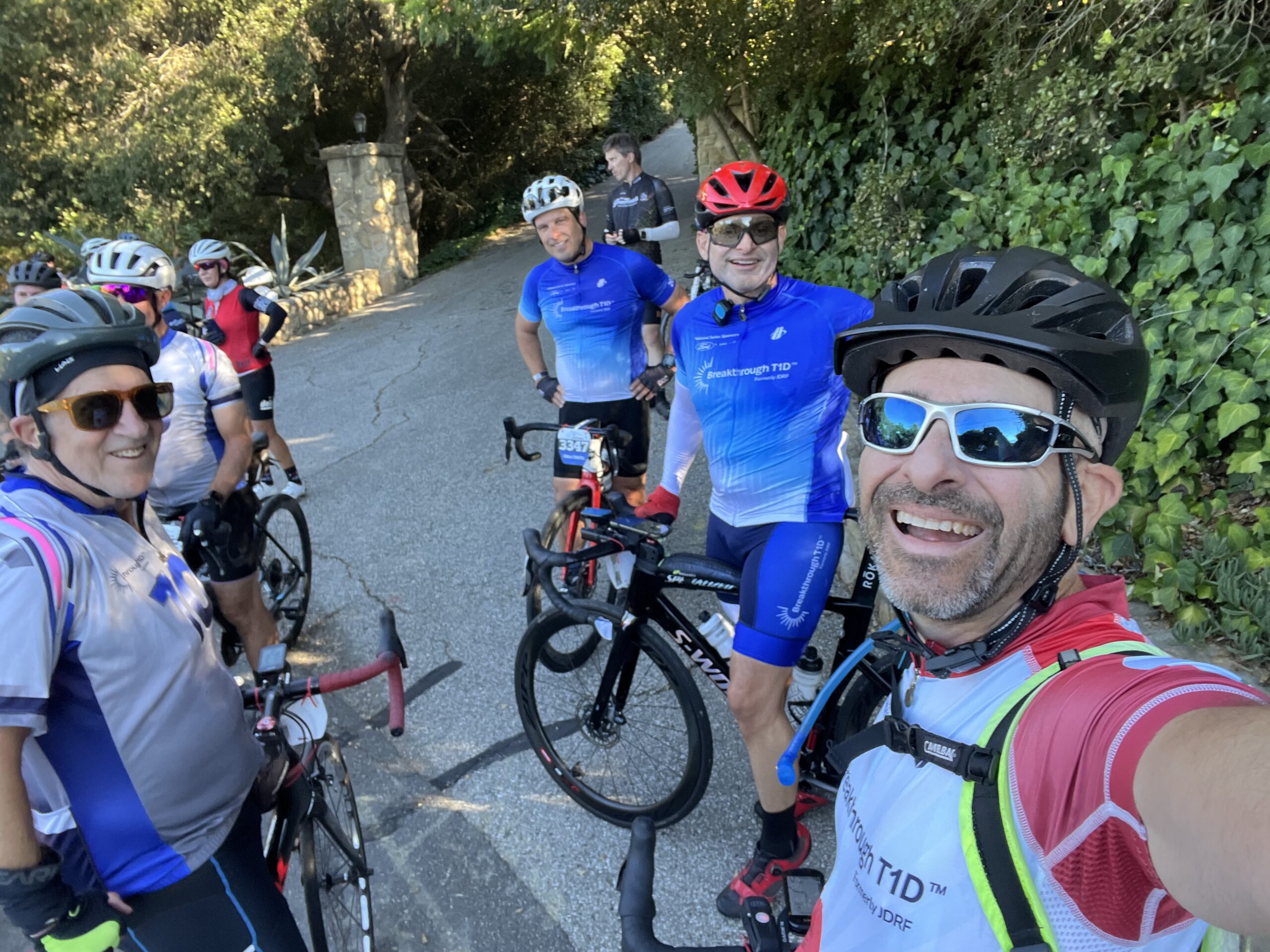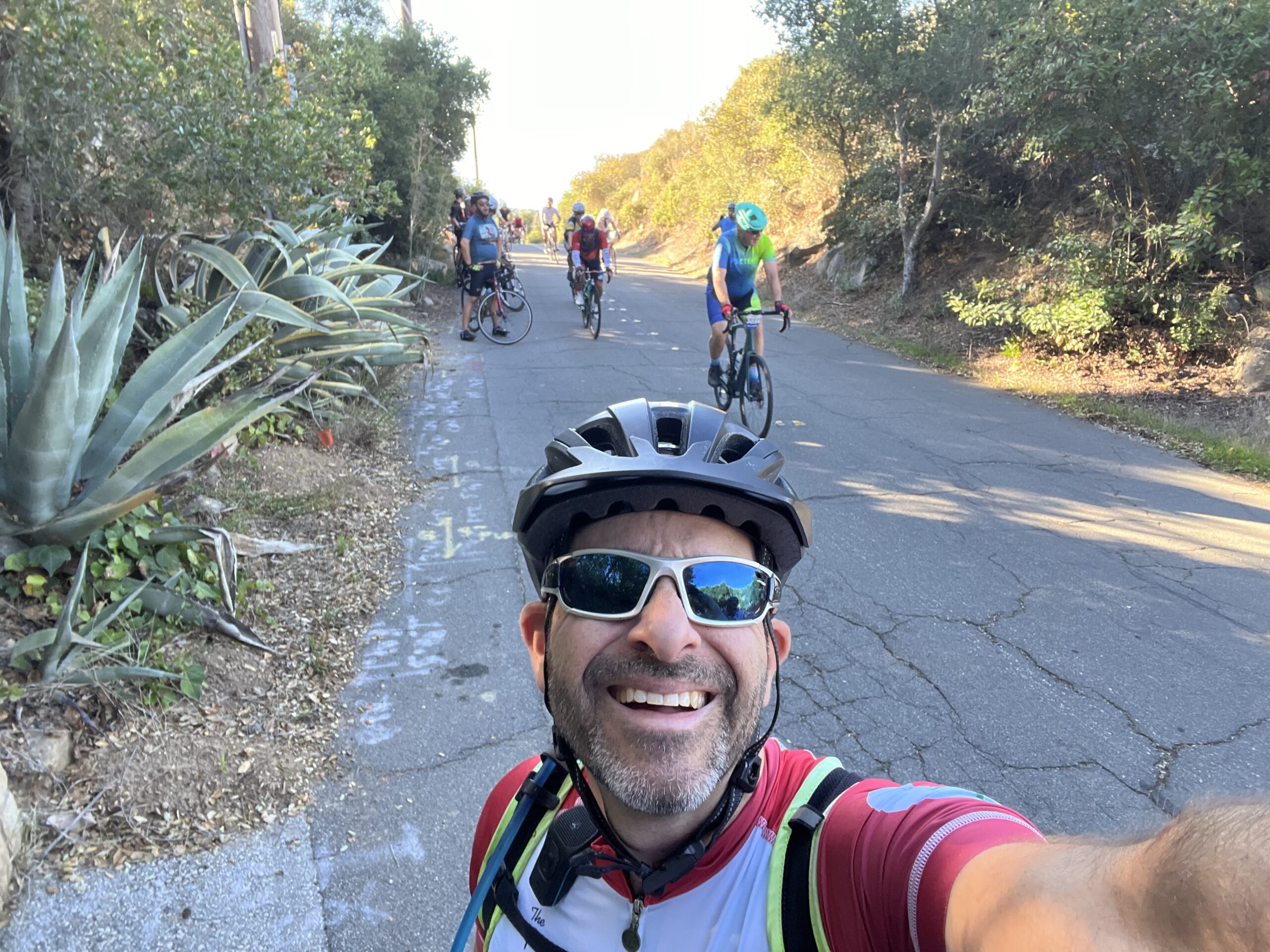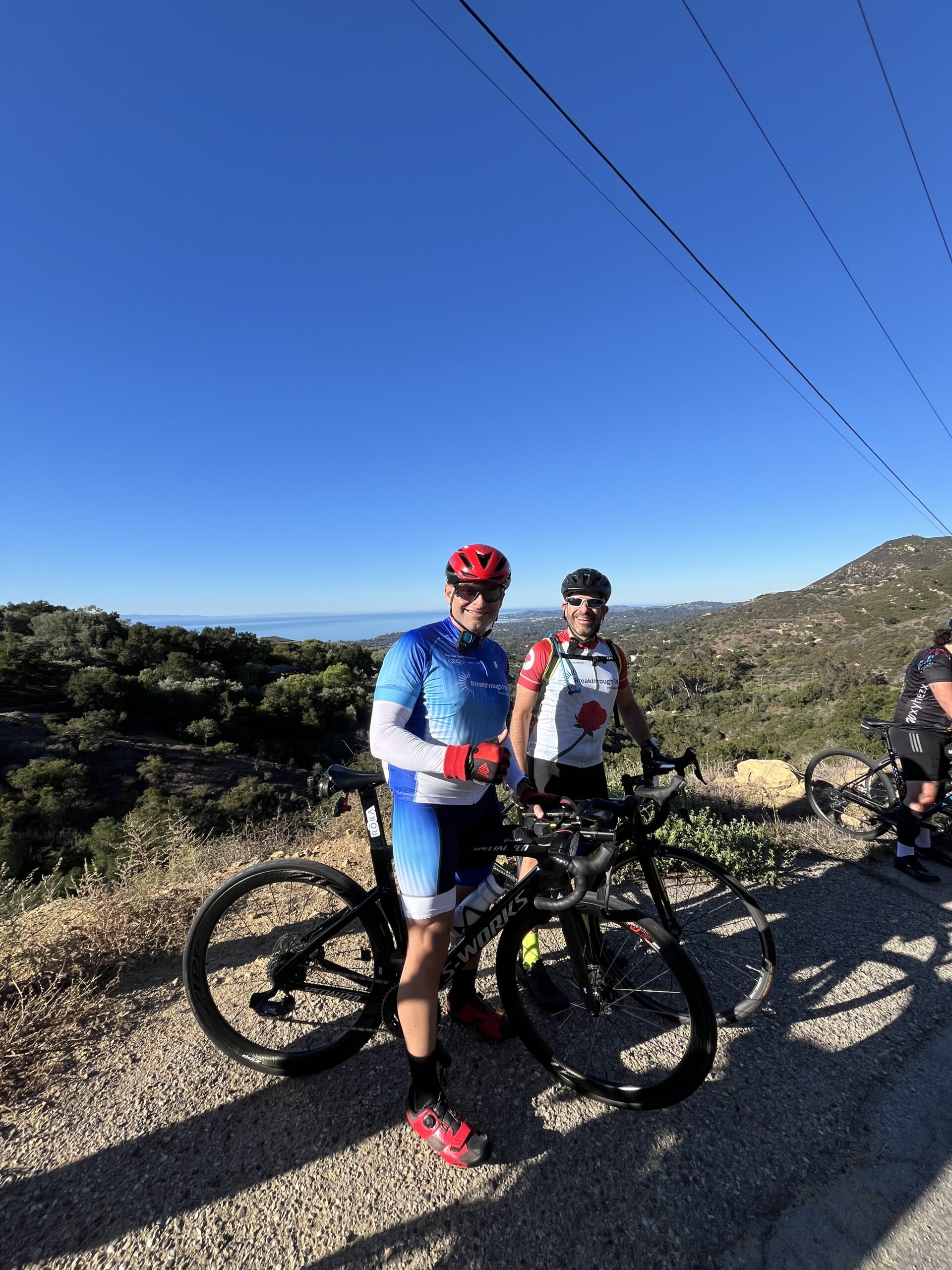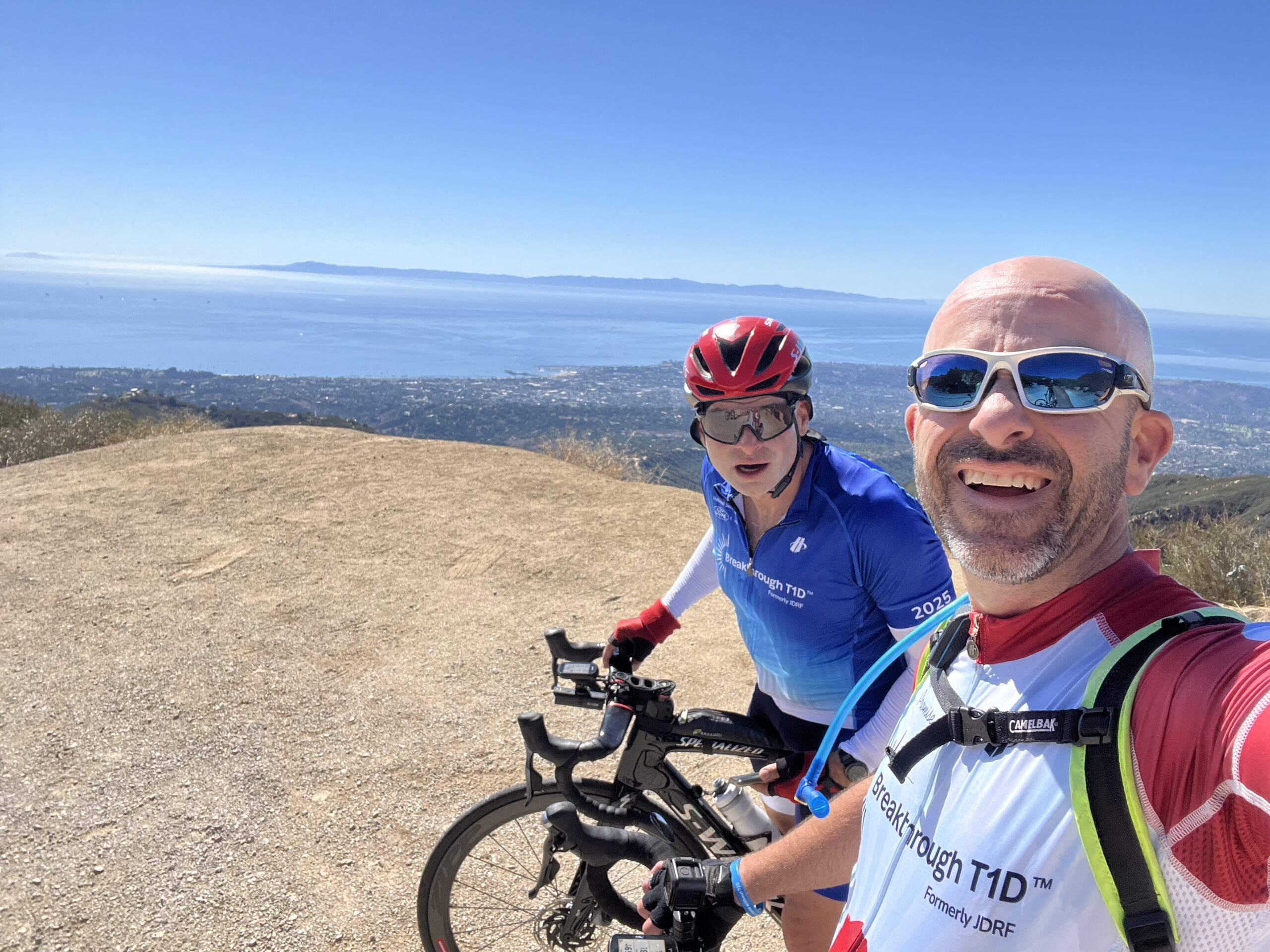

What do you do when you’re halfway up a steep, long climb on a bicycle and you really have to go to the bathroom? Yes, I’m talking about poop.
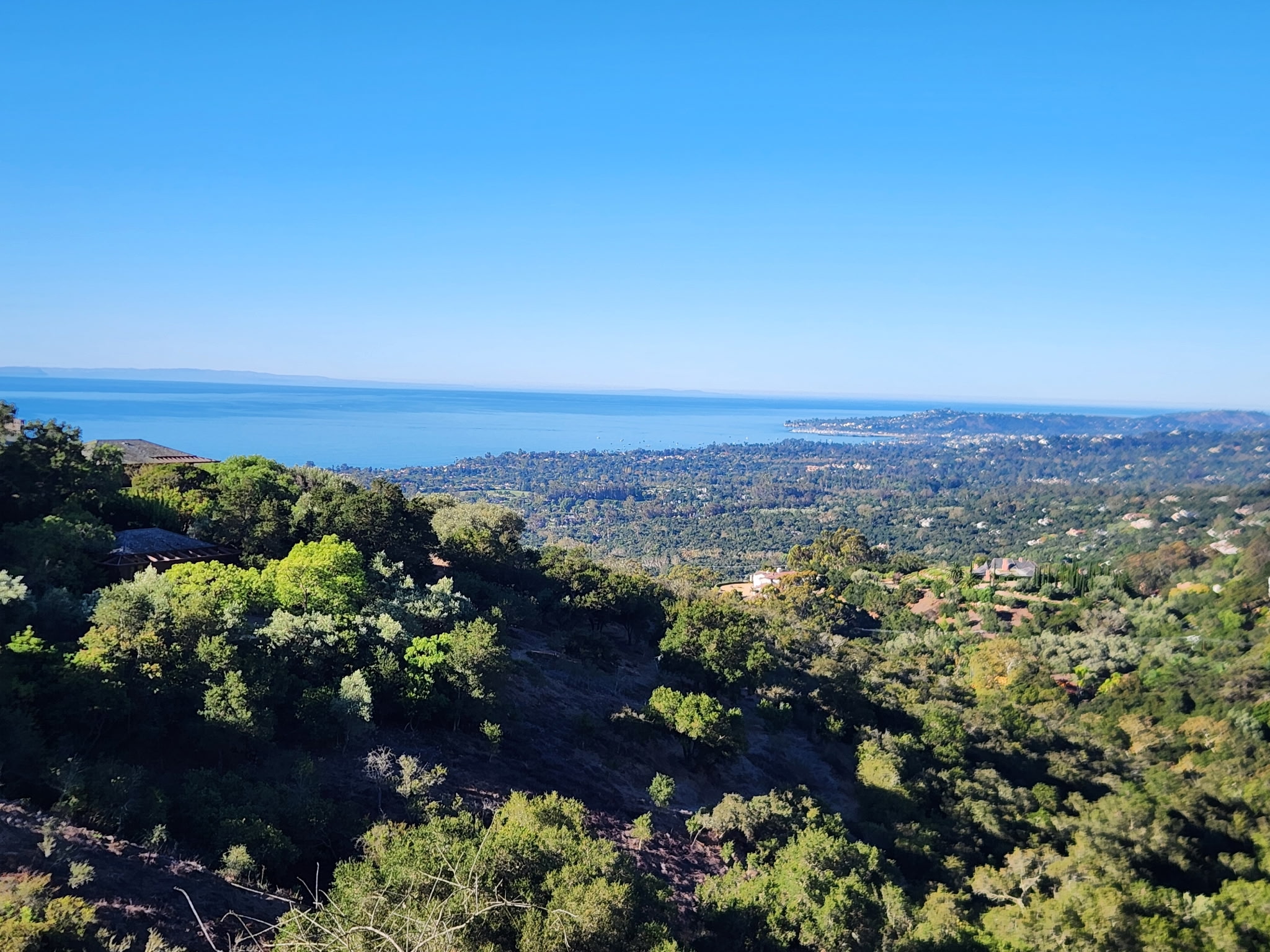
In all my years of riding, this had never happened to me — until last Saturday, as I was going up Gibraltar Rd. (6.1 miles, 8% average grade, 2,551 ft. of elevation gain) at the Santa Barbara 100 Ride.
It’s one of those things you don’t train for, one of those “X” factors that can emerge unexpectedly the day of a ride, like waking up with a fever or Mother Nature deciding to inflict rain and damaging winds that day (neither of which, thankfully, happened last Saturday).
I’ll cut to the chase: I pooped behind a large rock and bush, the only covering I could find on the mostly desolate road. I then finished the climb, and the remaining 45 miles of the ride, feeling much better physically but mentally scarred a bit (I’ve always been a city boy).
So, the Santa Barbara 100 marked a series of first for me. In addition to the poop incident, I experienced mechanical issues with my bike (my chain was jumping across gears) and I fell into a ditch — not completely, but enough to cramp my left leg for a few minutes.
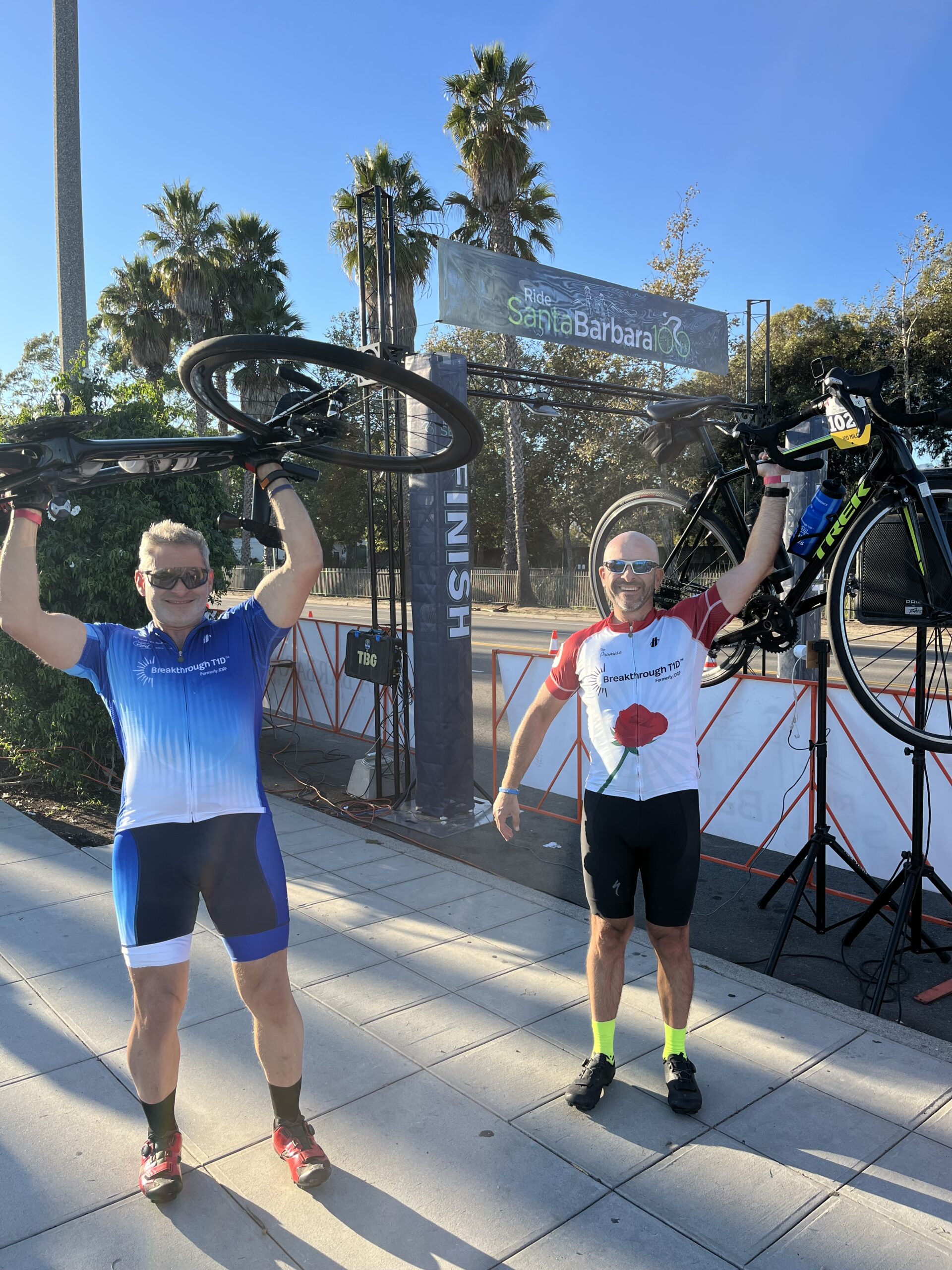
It was also the first time I ate paella at the finish line of a ride, which was the best tasting paella I have ever eaten (and that includes the ones I had in Barcelona a couple of years ago).
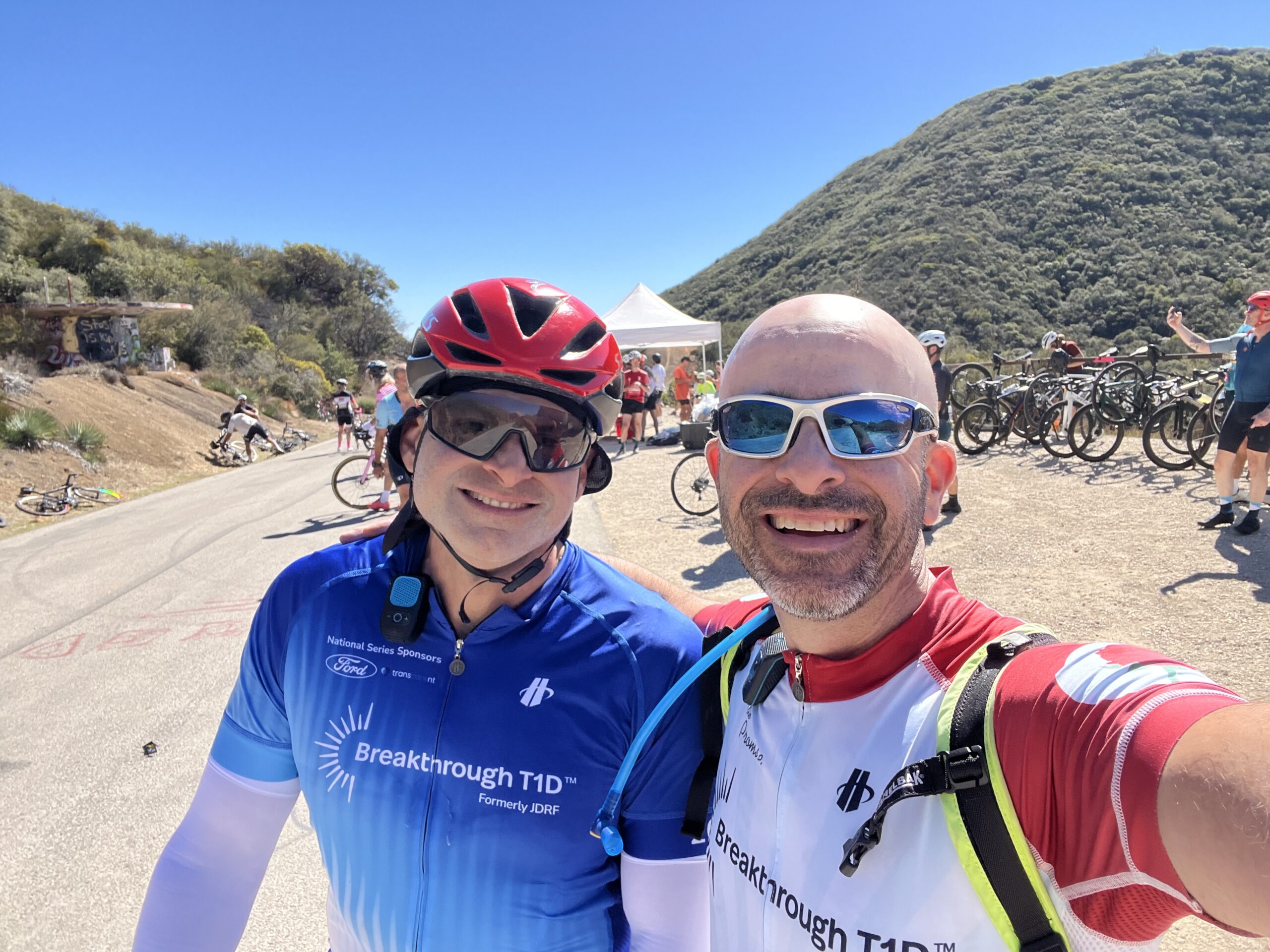
All that said, the ride was a fun and memorable experience. First, because I got to ride with my good friend and Logistics Leaders for T1D Cure teammate Ralph Cisneros for the first time in 3 years. And second, because we raised additional funds for Breakthrough T1D, bringing our team total to over $51,200 so far. Every dollar we raise, every mile we cycle, brings us closer to a world without type 1 diabetes.
Below are some photos from the ride. Don’t worry, I didn’t include any from “the incident.”
Moving on, as you can see from the long list below, a lot happened in the supply chain and logistics world this week. Here’s what caught my attention:
- Trump terminates Canada trade talks again after Ontario runs ad featuring Reagan (NBC News)
- President Donald J. Trump Addresses the Threat to National Security from Imports of Medium and Heavy-Duty Vehicles, Parts, and Buses
- CBP has processed nearly 24 mln parcels that would have been duty-free since US ended de minimis exemption (Reuters)
- Ensuring a stable start for Europe’s new carbon market for buildings and road transport
- International Agreement to Decarbonize Shipping Delayed After Threats from U.S. (ESG News)
- C.H. Robinson unveils the Agentic Supply Chain, enabling companies in every industry to instantly deploy AI
- Kinaxis Accelerates Agentic Era for Supply Chain Orchestration with the Launch of Maestro Agents
- Amazon Testing New Warehouse Robots and AI Tools for Workers (WSJ – sub. req’d)
- Robots May Replace 600,000 Human Employees at Amazon (CNET)
- Macy’s, Inc. Unveils New Automated Fulfillment Center, Marking a Bold Step in Supply Chain Modernization
- Walmart and Avery Dennison Collaborate to Enhance Freshness and Increase Operational Efficiency Using RFID
- Caterpillar Invests in U.S. Manufacturing and Future Workforce Skills Training
- Ford Sees Up to $2 Billion Profit Hit From Aluminum Plant Fire (Transport Topics)
- Mercedes-Benz Secures Short-Term Supply of Chips Amid Nexperia Disruption (WSJ – sub. req’d)
- A Cyberattack Crippled Range Rover Production. The Reboot Is Proving Tough (WSJ – sub. req’d)
- Amazon links up with USPS for doorstep returns (Supply Chain Dive)
When a TV Commercial Derails Trade Talks
This year has been one long soap opera in global trade, where even the TV commercials are part of the story.
Yesterday, President Trump announced on Truth Social that he was terminating trade talks with Canada “after the Canadian province of Ontario began running a television advertisement in the United States featuring a speech from former President Ronald Reagan,” as reported by Steve Kopack at NBC News. The article adds:
“They only did this to interfere with the decision of the U.S. Supreme Court, and other courts,” Trump wrote, referring to the high court’s scheduled Nov. 5 oral arguments on legal challenges to a significant part of Trump’s tariffs.
I don’t even know what to say. The situation speaks for itself.
If you get up to go to the bathroom or grab a snack from the kitchen, hurry back because you might miss the next plot twist!
The “AI Agents Will Do Almost Everything” Future
Earlier this week, I shared my thoughts on “When AI Agents Run The Supply Chain” — that is, I raised the question: If all the promises of AI and AI agents in supply chain management come true, what will be left for us humans to do?
The post triggered some good comments on LinkedIn.
This week, the march toward this “AI agents will do almost everything” future continued, with C.H. Robinson and Kinaxis announcing new Agentic AI capabilities. Here are excerpts from their press releases:
C.H. Robinson announced the arrival of the Agentic Supply Chain: an intelligent ecosystem that continuously thinks, learns, adapts and acts. Going beyond automation, this is the most advanced form of artificial intelligence in logistics. It understands context, makes decisions in real time and self-optimizes global supply chains at scale…C.H. Robinson’s Always-On Logistics Planner™, a digital workforce of 30+ connected AI agents, is already performing millions of shipping tasks that defied automation for decades. Now with Agentic Supply Chain™ Solutions, the company offers a logistics platform with deeper intelligence and broader impact – from planning and procurement to delivery and replenishment.
Kinaxis announced Maestro Agents, marking the next milestone in AI-enabled decision intelligence for supply chains. Now available to Kinaxis customers and embedded natively in Kinaxis Maestro®, these AI-powered context aware digital co-workers help planners move faster from issue to action, turning disruption into opportunity, and strengthening the resilience of the supply chains that power the global economy…Maestro Agents advance the customer journey from conversational AI to decision-based agentic supply chain orchestration. Unlike generic AI assistants that sit outside the process, Maestro Agents are embedded in live planning environments where they understand context, constraints, and trade-offs to plan with you, not for you.
In related news, Amazon “unveiled a trio of new technologies [on October 22] that it is testing or preparing to deploy in its warehouses and delivery vans,” as reported by Sean McLain in the Wall Street Journal. “They include a robot arm called Blue Jay, designed to sort packages; an artificial-intelligence agent called Eluna, intended to help human managers deploy workers and avoid bottlenecks; and augmented-reality glasses to be worn by delivery drivers in the field.”
The article adds that “Chief Executive Andy Jassy is pushing for Amazon to embrace AI tools even more than it already has and has said he expected the result to be a diminished need for white-collar workers. Wednesday’s announcement shows how that same trend might play out on the warehouse floor. The average number of workers in Amazon facilities fell to around 670 in 2024, the lowest in 16 years, according to a Wall Street Journal analysis.”
Also this week, CNET reported that “Internal Amazon documents suggest that the company is looking into building and using more robots to replace human workers. The publication doesn’t specify if this will result in massive layoffs. However, the robots would allow Amazon to avoid hiring new workers to meet increasing demand, translating to 600,000 jobs replaced by 2033, according to the report.”
It’s a big “If,” I know, but I’ll ask the question again: If all the promises of AI and AI agents (and robots) in supply chain management come true, what will be left for us humans to do?
Something to think about this weekend.
And with that, have a meaningful weekend!
Song of the Week: “In the End” by Depeche Mode
Photos from Santa Barbara 100 Ride